


The Economic Realities of L&D: Doing more (of the right things) with less

2025 is shaping up to be a ‘make or break’ year for businesses, and let’s be honest, for Learning and Development (L&D) teams too. Shrinking budgets, rising expectations, and an uncertain economic landscape have created a perfect storm. The question we all need to answer is: where does L&D fit in?
Here’s the reality: if we’re viewed as a ‘nice-to-have,’ we’re at risk of being cut. But if we can position ourselves as an indispensable business partner—the secret weapon for navigating these turbulent times—we can not only survive but thrive. And let’s be real, this isn’t our first rodeo. L&D has always found ways to adapt and rise to challenges. This time should be no different.
Let’s dive into the economic realities, the shifting role of L&D, and the strategies you can use to make a real impact with limited resources.
Prefer to listen instead of reading? Join us for the full conversation in this podcast episode.
Economic Outlook and Labor Market Trends
First, let’s set the stage by examining what’s happening in the global economy. While it’s not a freefall, it’s far from booming. Businesses are scrutinizing every dollar, tightening their belts, and expecting their teams to do more of the right things with the resources they have.
Challenges: Economic Headwinds
- Global Growth is Slowing The global economy is projected to grow, but sluggishly. Factors like rising interest rates, lingering supply chain issues, and geopolitical uncertainties are keeping companies cautious. This heightened scrutiny extends to L&D budgets.
- The Tech Shake-Up AI and automation aren’t just buzzwords; they’re fundamentally reshaping industries. While these technologies create opportunities, they’re also rendering certain roles obsolete, demanding new skill sets faster than ever before.
- Rising Employee Pressures Inflation may have cooled, but the cost of living remains a challenge for employees. Workers are looking to their organizations for stability, growth, and support, increasing the onus on L&D to deliver meaningful solutions.
Opportunities: Economic Tailwinds
Not everything is doom and gloom. There are opportunities if we know where to look.
- Productivity Gains The challenges of the past few years have forced people and businesses to innovate. Globally, labor productivity is climbing, fueled by smarter processes and technological advancements.
- Technology as an Ally AI and automation aren’t just challenges; they’re tools that L&D can leverage to scale training, personalize learning, and optimize resources.
- Renewed Focus on People Businesses increasingly recognize that their people are their greatest asset. Leadership training, skill-building, and employee engagement have shifted from ‘nice-to-have’ initiatives to critical business priorities.
- Global Collaboration Remote and hybrid work have unlocked unprecedented opportunities for cross-border collaboration. We’re no longer limited by geography, opening the door to global talent and ideas.
The Shifting Role of L&D
The role of L&D is evolving rapidly, and that’s a good thing. We’ve been boxed into the ‘support function’ corner for too long. But the truth is, we’re not just here to support; we’re here to enable, transform, and drive change.
From Content Keepers to Strategic Enablers
In the past, L&D was often seen as the team that delivered workshops and training modules. But today, it’s not about content; it’s about context. It’s about understanding the bigger picture and aligning our efforts with business goals.
Businesses invest in L&D not to make people feel good, but to achieve measurable results—in retention, innovation, culture, and profitability. If we can’t demonstrate that impact, we risk being sidelined.
From Fun and Cuddly to Data-Informed Business Partners
Gone are the days when L&D was seen as the ‘feel-good’ team that brought donuts to training sessions. Today, we’re data-informed business partners who can connect learning initiatives to tangible outcomes like increased revenue or reduced turnover.

From Learning Interventions to Whole-Person Development
L&D is no longer just about skills; it’s about developing the whole person. In a world of rapid change, people need resilience, adaptability, and emotional intelligence—not just technical know-how. By focusing on whole-person development, we’re not just creating better employees; we’re creating better leaders, teammates, and humans.
Strategies for Maximizing L&D Impact with Limited Resources
Let’s get practical. How can we make a meaningful impact without ballooning our budgets?
1. From Training Producers to Strategic Partners
If we’re only seen as training providers, we’re on borrowed time. Training is a tool, but it’s not the solution to every problem. To maximize impact, we need to:
- Ask tough questions: “What’s the real problem here?” and “What outcomes are we trying to achieve?”
- Align learning initiatives with broader business goals.
- Focus on solving problems, not just fulfilling training requests.
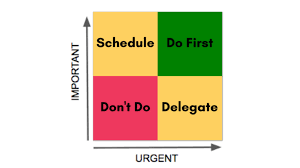
2. The Power of Prioritization
With limited resources, we can’t do everything—nor should we. Prioritize initiatives that:
- Address critical business needs.
- Have the potential to create a ripple effect across the organization.
- Align with long-term strategic goals.
3. Letting Go of the Mundane
Use technology to automate low-value tasks like formatting slides or scheduling sessions. Free yourself to focus on strategic activities like relationship-building and influencing leaders.
4. Building for Impact, Not Activity
Measure success by results, not by the volume of training delivered. Ask yourself:
- How are we enabling leaders?
- What real problems are we solving?
- How are we impacting business outcomes?
5. Leveraging Technology Strategically
AI and automation can help us:
- Gather insights and analyze trends.
- Predict skills gaps before they become critical.
- Automate repetitive tasks to focus on high-impact work.
Demonstrating the Value of L&D
If we can’t demonstrate our value, we risk becoming irrelevant. Here’s how to flip the script and position L&D as an indispensable business partner:
1. Investigate Before Acting
First and foremost, avoid jumping straight to content creation. Instead, ask critical questions like:
- What’s the real business issue?
- How will we know if we’ve solved it?
- What do the impacted employees actually need?
By taking a step back and investigating the root cause, we ensure that our solutions are targeted and impactful.
Investigate is covered in depth in the Talent Development Academy as part of the L&D Game Plan.
2. Deliver Tailored Solutions
Next, remember that generic training is just noise. Tailored solutions that address specific needs drive real change. For example, instead of rolling out a one-size-fits-all program, identify pain points and design learning experiences that resonate deeply with employees and align with business goals.
3. Measure What Matters
Moreover, tracking the right metrics is non-negotiable. Focus on key outcomes that resonate with business leaders, such as:
- Business impact (e.g., increased sales, reduced turnover).
- Behavior change (e.g., improved leadership practices).
- Employee sentiment (e.g., higher engagement and morale).
This data-driven approach not only validates L&D’s contribution but also builds trust with stakeholders.
4. Speak the Language of Business
Finally, avoid drowning in L&D jargon. Instead, communicate in terms decision-makers understand. Talk about how your work helps achieve organizational targets. For instance, explain how a leadership development program contributed to revenue growth or how upskilling reduced costly errors.
By framing your value in business terms, you solidify L&D’s role as a strategic enabler.
The Future of L&D: Be Bold, Be Strategic, Be Indispensable
The economic challenges of 2025 are real, but they’re also an opportunity for L&D to step up. By evolving from content creators to strategic enablers, focusing on whole-person development, and demonstrating measurable impact, we can secure our place as indispensable partners in business success.
It’s time to stop measuring activity and start driving results. Let’s not just stay relevant; let’s become indispensable.
When you’re ready to get started, join the “Indispensable L&D Partner.”
Conclusion
The future of L&D isn’t about doing more; it’s about doing what matters most. By prioritizing impact over activity, aligning our efforts with business goals, and leveraging technology strategically, we can lead the charge in creating resilient, adaptable, and innovative organizations.
This is a pivotal moment for L&D to redefine its role and value. By embracing these strategies, we can ensure that we’re not just participants in the future of work—we’re architects of it.
Sources:
“The Future of Jobs Report 2023″ by World Economic Forum
“Global Economic Prospects” by The World Bank (2023)
“How the Workforce Learns” by Degreed (2023)
“Trend Report: Learning & Development in 2025″ by Macorva
“Trends 2025: Learning and Development” by Training Industry
“Top 10 in demand skills for 2025” by LinkedIn Learning
“Global Workforce Trends for 2023-2025” by Deloitte
“Generative AI and the future of work in America” by McKinsey & Company


Hi, I'm Candice Mitchell
Hi there,
I'm Candice Mitchell!
Meet the Author
CEO of Talent Collective, and I've spent nearly two decades inside global and Fortune 500 organizations doing the work many L&D teams are still trying to figure out.
That experience led me to create the Talent Development Academy® — a 12-month, ATD, SHRM, and HRCI-accredited membership for ambitious L&D leaders ready to move from nice-to-have to strategic business partners who the business cannot imagine working without.
I'm the host of the Development Nerds podcast and the author of Choose You — a book on career agency, professional visibility, and reclaiming your relevance at work.


